
Manual and automatic transmissions offer distinct driving experiences‚ impacting control‚ efficiency‚ and convenience; the right choice depends on individual needs.
Historical Overview of Transmissions
Early automobiles utilized rudimentary manual transmissions‚ demanding significant driver skill for gear changes and clutch control. These systems directly linked the engine to the wheels‚ requiring precise coordination. As automotive technology evolved in the 1930s‚ the first semi-automatic transmissions emerged‚ easing the burden on drivers.
However‚ it wasn’t until the mid-20th century that fully automatic transmissions gained prominence‚ offering unparalleled convenience. These initially complex hydraulic systems revolutionized driving‚ though early models often sacrificed fuel efficiency. Throughout the latter half of the 20th century‚ both manual and automatic transmissions continued to refine‚ with advancements in gear ratios‚ materials‚ and control systems. Today‚ both types coexist‚ catering to diverse driver preferences and vehicle applications‚ each with a rich history of innovation.
The Core Difference: How They Work
Manual transmissions rely on the driver to mechanically select gears using a clutch and shift lever‚ directly controlling the engine’s power transfer to the wheels. Automatic transmissions‚ conversely‚ utilize a complex system of planetary gearsets‚ hydraulic pressure‚ and a torque converter to automatically shift gears based on vehicle speed and engine load.
This automated process eliminates the need for driver intervention‚ prioritizing convenience. Manual systems offer a more direct connection‚ allowing precise control over engine RPM and gear selection. Automatic transmissions achieve smooth gear changes through sophisticated computer control‚ optimizing efficiency and reducing driver fatigue. Ultimately‚ the core difference lies in the method of gear selection and power delivery.
Manual Transmissions: A Deep Dive
Manual transmissions demand driver skill‚ offering direct control via clutch and shifter‚ connecting the driver to the vehicle’s mechanics for a responsive experience.
Components of a Manual Transmission
A manual transmission’s core lies in its intricate system of gears‚ shafts‚ and a clutch. The clutch engages and disengages power from the engine‚ allowing gear changes. Gears themselves‚ varying in size‚ provide different torque and speed ratios. These gears are mounted on main shafts and countershafts‚ meticulously arranged for optimal power transfer.
The shift forks‚ controlled by the gear lever‚ move the synchronizers to engage the desired gear. Synchronizers are crucial‚ matching the speeds of the gears before engagement‚ preventing grinding. A robust transmission case houses all these components‚ providing structural integrity and lubrication. Finally‚ the differential transfers power to the wheels‚ allowing them to rotate at different speeds during turns. Each component works in harmony‚ delivering a connected driving experience.
The Gear Shifting Process Explained
The gear shifting process in a manual transmission requires coordinated foot and hand movements. First‚ the driver depresses the clutch pedal‚ disconnecting the engine from the transmission. Simultaneously‚ the gear lever is moved to select the desired gear‚ activating the shift forks and synchronizers.
Synchronizers equalize the speed between the selected gear and the output shaft‚ enabling a smooth engagement. Once synchronized‚ the gear engages‚ and the driver gradually releases the clutch pedal‚ re-establishing the power connection. This process requires precise timing and coordination to avoid jerky shifts or stalling. Mastering this skill provides a direct connection to the vehicle’s power delivery‚ offering a rewarding driving experience.
Advantages of Manual Transmissions
Manual transmissions traditionally offered superior fuel efficiency due to their direct mechanical connection and reduced parasitic losses‚ though this gap is narrowing with advancements in automatic technology. They provide enhanced driver control‚ allowing precise gear selection for optimal performance and engine braking.
Furthermore‚ vehicles equipped with manual transmissions generally have a lower initial cost compared to their automatic counterparts. The engaging driving experience and feeling of connection to the vehicle are often cited as key benefits by enthusiasts. However‚ the advantages are increasingly balanced by the convenience and advancements found in modern automatic systems.
Enhanced Driver Control
Manual transmissions grant drivers a heightened sense of control over the vehicle’s performance. The ability to select specific gears allows for precise engine speed management‚ crucial for spirited driving‚ navigating challenging terrain‚ or maximizing engine braking. This direct connection fosters a more engaging and responsive driving experience‚ appealing to enthusiasts who value feeling connected to the machine.
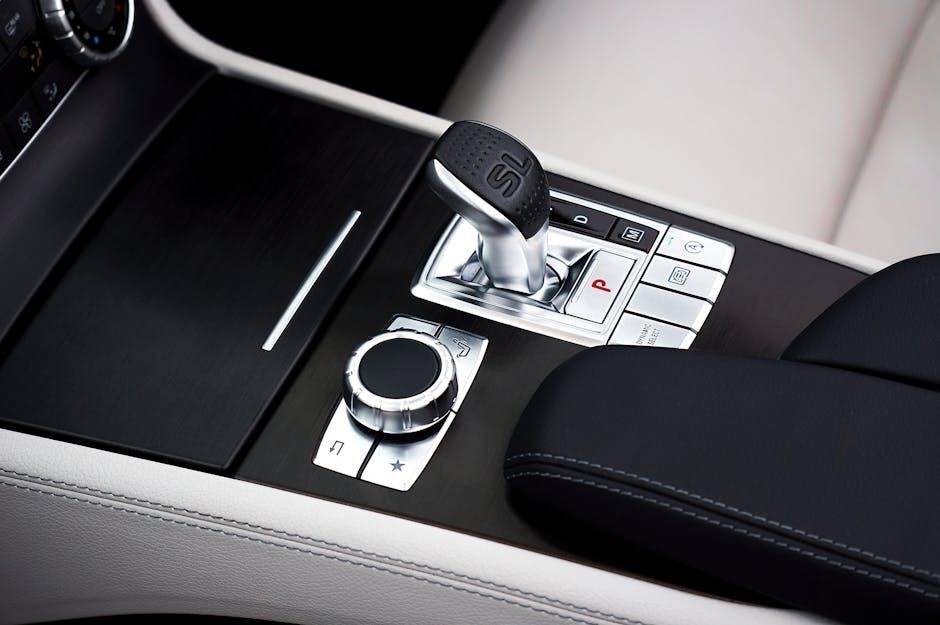
Unlike automatic systems‚ a manual transmission doesn’t anticipate driver needs; it responds to driver commands. This level of control can be particularly beneficial in situations demanding precise power delivery‚ offering a level of finesse often absent in automated gear selection.
Improved Fuel Efficiency (Historically)
Historically‚ manual transmissions often provided better fuel economy compared to their automatic counterparts. This advantage stemmed from the simpler mechanical design and the absence of a torque converter‚ which inherently loses some energy. Drivers could also optimize gear selection for maximum efficiency‚ further enhancing fuel savings.
However‚ modern automatic transmissions‚ particularly those with eight or more speeds and advanced control systems‚ have significantly narrowed – and in some cases‚ surpassed – the fuel efficiency gap. Despite this progress‚ the potential for driver-controlled optimization still exists with a manual gearbox‚ allowing skilled drivers to achieve excellent mileage.
Lower Initial Cost
Generally‚ vehicles equipped with manual transmissions have a lower initial purchase price than those with automatic transmissions. This cost difference arises from the simpler construction of a manual gearbox‚ requiring fewer components and less complex manufacturing processes. The absence of a torque converter and sophisticated electronic control systems contributes to the reduced expense.
While the price gap has been shrinking in recent years‚ particularly with the increasing sophistication of automatic transmissions‚ a manual transmission still often represents a more budget-friendly option for car buyers. This can be a significant factor for those prioritizing affordability or seeking to minimize upfront vehicle costs.
Disadvantages of Manual Transmissions
Despite their advantages‚ manual transmissions present certain drawbacks for some drivers. A steeper learning curve is required to master clutch control and smooth gear changes‚ potentially intimidating new drivers. More driver effort is consistently needed‚ as operating a manual requires constant engagement with the clutch pedal and gear selector.
Furthermore‚ there’s a potential for stalling‚ especially in stop-and-go traffic or on inclines‚ leading to jerky shifts if not executed properly. This can be fatiguing during long commutes or in congested areas. While skilled drivers can mitigate these issues‚ they remain inherent challenges of manual operation.
Steeper Learning Curve
Operating a manual transmission demands a significant initial investment in learning coordination between the clutch‚ gear selector‚ and throttle. Unlike automatic transmissions‚ mastering smooth starts‚ shifts‚ and stops requires practice and patience. New drivers often experience stalling‚ jerky movements‚ and difficulty finding the correct gear‚ leading to frustration.
This learning process can be particularly challenging for those unfamiliar with vehicle mechanics or lacking prior driving experience. The coordination needed isn’t intuitive‚ requiring muscle memory development. While rewarding once mastered‚ the initial hurdle presents a steeper learning curve compared to the simplicity of an automatic system.
More Driver Effort Required
Driving a vehicle with a manual transmission inherently demands more physical and mental effort from the driver. Constantly engaging the clutch and shifting gears‚ especially in stop-and-go traffic‚ can become tiring over extended periods. This contrasts sharply with automatic transmissions‚ which handle gear changes autonomously.
The continuous operation of the clutch pedal and gear selector requires active participation‚ reducing driver comfort‚ particularly on long journeys or in congested urban environments. While some drivers enjoy this engagement‚ it undeniably adds a layer of complexity and exertion absent in automatic vehicles‚ leading to increased driver fatigue.
Potential for Stall and Jerky Shifts
Manual transmissions‚ particularly for novice drivers‚ present a risk of stalling the engine if the clutch and throttle aren’t coordinated effectively. This can be embarrassing and potentially dangerous‚ especially in traffic. Even experienced drivers can experience jerky shifts if gear changes aren’t executed smoothly.
Improper clutch release or mismatched engine speed during shifts can result in abrupt transitions‚ diminishing ride comfort for both the driver and passengers. Automatic transmissions‚ conversely‚ eliminate these concerns by automating the process‚ delivering consistently smooth gear changes and preventing stalls altogether‚ enhancing overall driving experience.
Automatic Transmissions: A Comprehensive Look
Automatic transmissions prioritize ease of use and convenience‚ simplifying the driving process by automatically selecting gears for optimal performance and comfort.
Components of an Automatic Transmission
Automatic transmissions are complex systems comprised of several key components working in harmony. The torque converter‚ a fluid coupling‚ transmits engine power to the transmission‚ acting as a clutch. Planetary gear sets provide different gear ratios‚ controlled by clutches and bands. A valve body‚ the transmission’s control center‚ directs hydraulic fluid to engage these clutches and bands‚ selecting the appropriate gear.
The hydraulic pump maintains fluid pressure‚ essential for operation. A transmission control module (TCM) utilizes sensors to monitor vehicle speed‚ engine load‚ and other parameters‚ electronically managing gear shifts. Finally‚ the transmission fluid lubricates components and dissipates heat‚ ensuring smooth and reliable performance. These interconnected parts collaborate to deliver seamless gear changes without driver intervention.
How Automatic Transmissions Select Gears
Automatic transmissions determine gear selection through a sophisticated process involving hydraulic and electronic controls. Sensors constantly monitor vehicle speed‚ throttle position‚ and engine load‚ relaying this data to the Transmission Control Module (TCM). The TCM uses pre-programmed shift schedules and real-time data to determine the optimal gear.
Hydraulic fluid‚ directed by the valve body‚ engages specific clutches and bands within the planetary gear sets‚ achieving the desired gear ratio. Modern automatics employ adaptive learning‚ adjusting shift points based on driving habits for optimized performance and efficiency. This seamless process eliminates the need for manual gear changes‚ providing a smooth and convenient driving experience.
Advantages of Automatic Transmissions
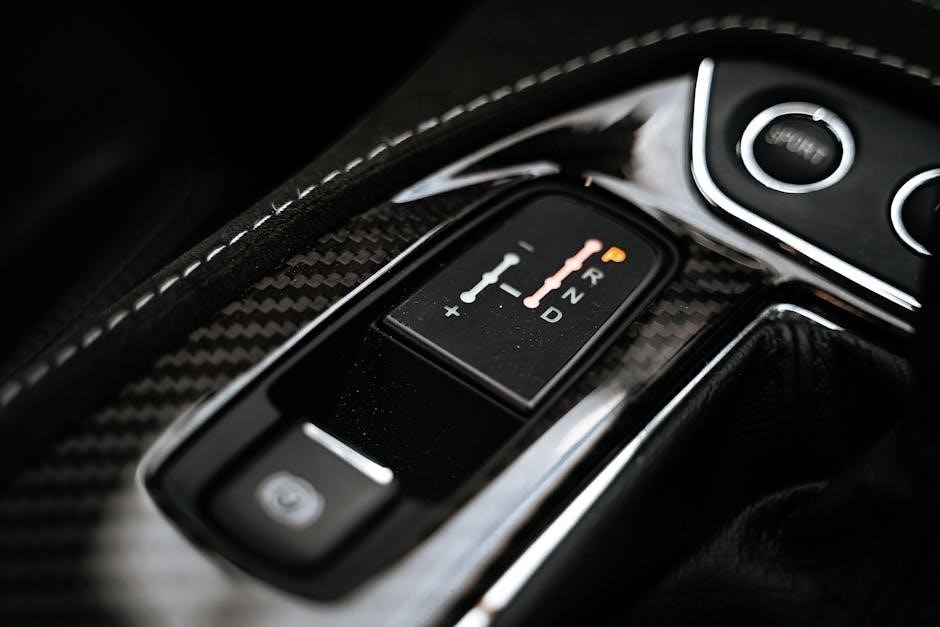
Automatic transmissions prioritize ease of use and convenience‚ simplifying the driving experience‚ especially in stop-and-go traffic. They deliver a smoother ride‚ minimizing jerks and providing more comfortable travel for both driver and passengers. Reduced driver fatigue is a significant benefit‚ as constant gear shifting is eliminated‚ allowing greater focus on the road.
While historically less fuel-efficient‚ modern automatic transmissions‚ with more gears and advanced control systems‚ are rapidly closing the gap with manual transmissions. They are particularly advantageous for drivers who frequently encounter congested roads or prefer a relaxed driving style‚ offering a hassle-free operation.
Ease of Use and Convenience
Automatic transmissions excel in providing unparalleled ease of use and convenience‚ particularly appealing to new drivers or those navigating challenging traffic conditions. The absence of a clutch pedal and gear stick simplifies operation‚ reducing the cognitive load on the driver. This allows for greater concentration on steering‚ braking‚ and overall road awareness.
For daily commuting and urban driving‚ the convenience of an automatic is undeniable. It eliminates the need for constant gear changes‚ making the driving experience less physically demanding and more enjoyable. This is especially beneficial during rush hour or long journeys‚ minimizing driver fatigue and maximizing comfort.
Smoother Driving Experience
Automatic transmissions generally deliver a smoother driving experience compared to their manual counterparts. The sophisticated hydraulic systems and electronic controls manage gear changes seamlessly‚ minimizing jerks and abrupt shifts. This results in a more refined and comfortable ride for both the driver and passengers.
Modern automatics‚ with features like torque converters and advanced shift algorithms‚ further enhance smoothness. They anticipate driving conditions and select the optimal gear‚ providing consistent power delivery. This is particularly noticeable during acceleration and deceleration‚ offering a more fluid and controlled feel. The reduced need for driver intervention contributes to a less fatiguing journey.
Reduced Driver Fatigue
Automatic transmissions significantly reduce driver fatigue‚ especially during prolonged driving or in stop-and-go traffic. Eliminating the need for constant clutch engagement and gear shifting allows the driver to focus more on steering‚ braking‚ and overall road awareness. This lessened physical demand translates to a more relaxed and less tiring driving experience.
The convenience of an automatic allows drivers to conserve energy‚ particularly beneficial on long commutes or road trips. Reduced mental workload‚ as the transmission handles gear selection‚ further contributes to decreased fatigue. This is especially valuable in congested urban environments where frequent shifting is required‚ making driving less stressful and more enjoyable.
Disadvantages of Automatic Transmissions
While convenient‚ automatic transmissions historically exhibited lower fuel efficiency compared to their manual counterparts‚ though this gap is narrowing with modern advancements. Initial purchase costs are typically higher for vehicles equipped with automatic gearboxes. Some drivers find automatics offer less direct engagement with the vehicle‚ diminishing the sense of control and connection to the driving experience.
Furthermore‚ certain automatic transmissions can feel less responsive than manuals‚ particularly during quick acceleration or when navigating challenging terrain. Although improving‚ some automatics may still exhibit a slight delay in gear changes. This can be a drawback for enthusiasts who prioritize immediate power delivery and precise control over the vehicle’s performance.
Historically Lower Fuel Efficiency (Improving)
Traditionally‚ automatic transmissions lagged behind manual transmissions in fuel economy due to torque converter slippage and less direct power transfer. This meant automatics generally consumed more fuel to achieve the same performance. However‚ significant advancements in automatic transmission technology – including more gears‚ lock-up torque converters‚ and sophisticated control systems – are steadily closing this gap.
Modern automatics‚ particularly those with eight‚ nine‚ or even ten speeds‚ now often achieve comparable‚ and in some cases‚ even superior fuel efficiency to manuals. Continuous improvements continue to minimize energy loss and optimize gear selection‚ making the historical disadvantage less pronounced with each new generation of automatic transmission.
Higher Initial Cost
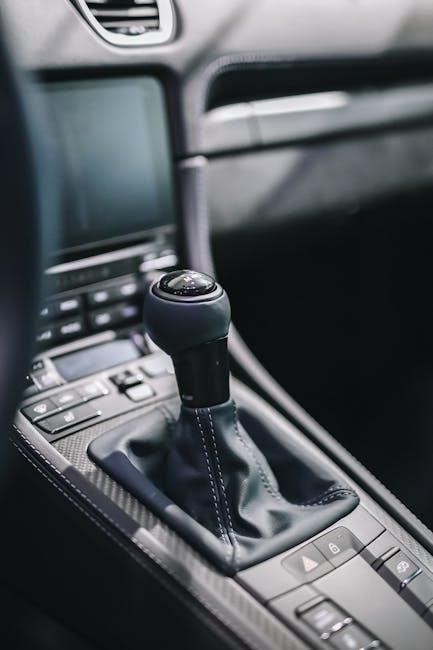
Generally‚ vehicles equipped with automatic transmissions carry a higher purchase price compared to their manual transmission counterparts. This price difference stems from the increased complexity of automatic transmissions‚ requiring more intricate components and sophisticated manufacturing processes. The additional engineering and materials contribute to a greater overall cost for the automaker‚ which is then passed on to the consumer.
While the price gap can vary depending on the vehicle model and trim level‚ it consistently exists. However‚ it’s important to consider the long-term cost of ownership‚ factoring in potential fuel savings (though diminishing with modern automatics) and maintenance expenses when evaluating the overall value proposition.
Potentially Less Driver Engagement
One common critique of automatic transmissions is that they can diminish the driver’s sense of connection with the vehicle. The automated gear selection process removes the need for the driver to actively participate in controlling the engine’s power delivery‚ potentially leading to a less immersive driving experience.
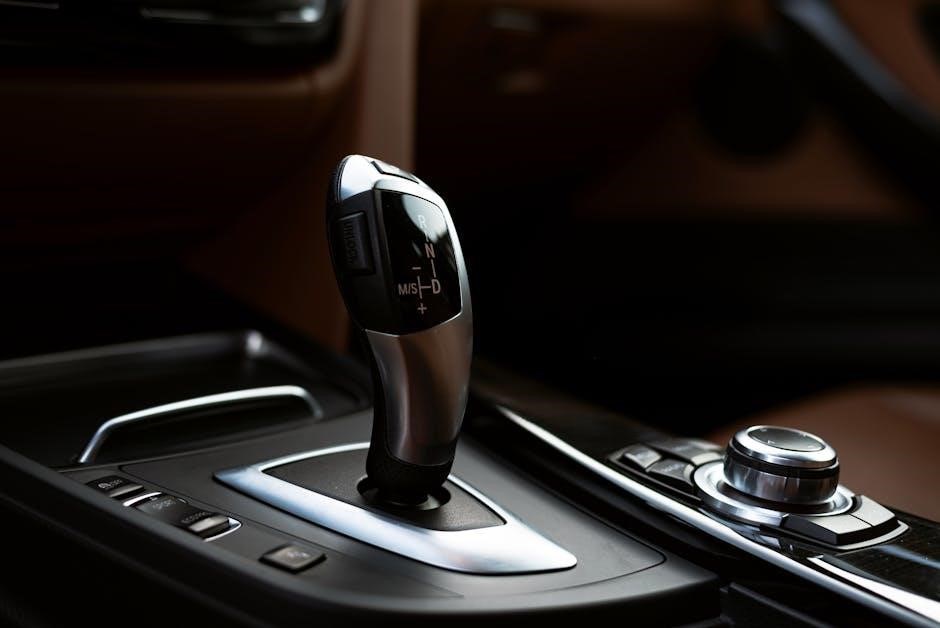
For enthusiasts who enjoy the tactile feedback and control offered by a manual transmission‚ an automatic can feel detached. However‚ modern automatics with paddle shifters or sport modes attempt to bridge this gap‚ allowing for some degree of manual control. Ultimately‚ the level of driver engagement is subjective and depends on individual preferences.
Modern Transmission Technologies
Innovations like DCTs‚ CVTs‚ and automated manuals are blurring the lines between manual and automatic‚ offering enhanced performance and efficiency.
Dual-Clutch Transmissions (DCTs)
Dual-Clutch Transmissions (DCTs) represent a significant advancement in automotive technology‚ effectively combining the efficiency of a manual transmission with the convenience of an automatic. Unlike traditional automatics‚ DCTs utilize two separate clutches for odd and even gears. This allows for incredibly fast and smooth gear changes‚ as the next gear is pre-selected and ready to engage.
The result is a driving experience that feels both responsive and seamless. DCTs often deliver better fuel economy than traditional automatics and can match or even exceed the performance of manual transmissions in skilled hands. They eliminate the need for a clutch pedal‚ offering the ease of an automatic‚ while still providing a direct connection to the powertrain. However‚ DCTs can be more complex and potentially more expensive to maintain than other transmission types.
Continuously Variable Transmissions (CVTs)
Continuously Variable Transmissions (CVTs) offer a unique approach to gear ratios‚ differing significantly from both traditional manual and automatic transmissions. Instead of fixed gears‚ CVTs utilize a belt and pulley system to provide an infinite number of gear ratios within a specific range. This allows the engine to operate at its most efficient RPM‚ maximizing fuel economy and providing smooth acceleration.
While CVTs excel in efficiency‚ they often receive criticism for their driving feel. The lack of distinct gear shifts can create a “rubber band” sensation‚ where engine RPM rises independently of vehicle speed. Modern CVTs are increasingly incorporating simulated shift points to address this concern‚ offering a more familiar driving experience. They represent a compelling option for drivers prioritizing fuel efficiency and smooth operation.
Automated Manual Transmissions
Automated Manual Transmissions (AMTs) represent a fascinating blend of manual and automatic technology. Essentially‚ they are manual transmissions that utilize electronic controls and actuators to perform gear changes automatically‚ eliminating the need for a clutch pedal and manual shifting. This results in quicker shifts and improved fuel efficiency compared to traditional automatics‚ while retaining some of the direct feel of a manual gearbox.

However‚ AMTs can sometimes exhibit jerky shifts‚ particularly at lower speeds‚ as the automated system isn’t always as smooth as a skilled human driver. They often prioritize performance over absolute comfort. AMTs offer a compelling alternative for enthusiasts seeking a more engaging driving experience with the convenience of automatic operation.
Maintenance and Servicing
Regular transmission maintenance—fluid checks and changes—is crucial for both manual and automatic systems‚ ensuring long-term reliability and optimal performance.
Manual Transmission Maintenance
Maintaining a manual transmission involves several key procedures to ensure smooth operation and longevity. Regularly checking the transmission fluid level is paramount‚ though less frequent than with automatics. Fluid should be clean and at the proper level; top off as needed with the correct type.
Clutch maintenance is also vital. Monitor for slippage or unusual noises‚ indicating potential wear. Inspect the clutch cable or hydraulic system for leaks or damage. Gear oil changes are typically recommended every 30‚000 to 60‚000 miles‚ depending on driving conditions.
Pay attention to shift linkage adjustments; ensure precise and effortless gear changes. Addressing minor issues promptly prevents more significant‚ costly repairs down the road. Proper care extends the life of your manual transmission.
Automatic Transmission Maintenance
Automatic transmission maintenance is crucial for reliable performance. Regularly checking the transmission fluid is essential; it should be at the correct level and appear bright red‚ not dark or burnt. Fluid changes are typically recommended every 30‚000 to 60‚000 miles‚ depending on driving habits and vehicle manufacturer guidelines.
Inspect the transmission pan for leaks and ensure the filter is clean during fluid changes. Pay attention to any unusual noises‚ slipping‚ or harsh shifting‚ as these could indicate internal problems.
Avoid harsh acceleration and abrupt stops‚ which can strain the transmission. Proper maintenance extends the life of your automatic transmission and prevents costly repairs‚ ensuring smooth and efficient driving.