
Honda Pilot 2016: A Comprehensive Owner’s Manual Guide
Discover Nebraska’s Honda dealerships offering new & used Pilots, expert service, and flexible financing options – Superior Honda, ODaniel Honda, and Honda of Lincoln!
Welcome to the world of the 2016 Honda Pilot, a versatile and family-focused SUV designed for comfort, reliability, and adventure. This comprehensive guide, sourced from leading Honda dealerships in Nebraska like Superior Honda of Omaha, ODaniel Honda, and Honda of Lincoln, will equip you with the knowledge to fully enjoy your vehicle.
Whether you’ve purchased a new or pre-owned Pilot, understanding its features and capabilities is key. These dealerships offer extensive selections, including certified pre-owned options, catering to diverse budgets. This manual will cover everything from basic operation and maintenance to advanced technology like HondaLink and Honda Sensing. Explore specials and incentives available at these locations to maximize your ownership experience. Prepare to embark on a journey of confident driving!
Vehicle Specifications & Key Features
The 2016 Honda Pilot boasts a 3.5-liter V6 engine delivering robust performance, paired with a six-speed automatic transmission. Key features include available all-wheel drive (AWD) for enhanced traction, and a spacious three-row seating configuration accommodating up to eight passengers. Dealerships like Superior Honda of Omaha and ODaniel Honda showcase various trim levels, each offering unique amenities.
Standard features often include a rearview camera, Bluetooth connectivity, and a user-friendly infotainment system. Higher trims, found at Honda of Lincoln, add luxuries like leather upholstery, a navigation system, and advanced safety technologies. Expect a comfortable ride and ample cargo space, making it ideal for families and road trips. Explore detailed specifications at your local Honda dealer!
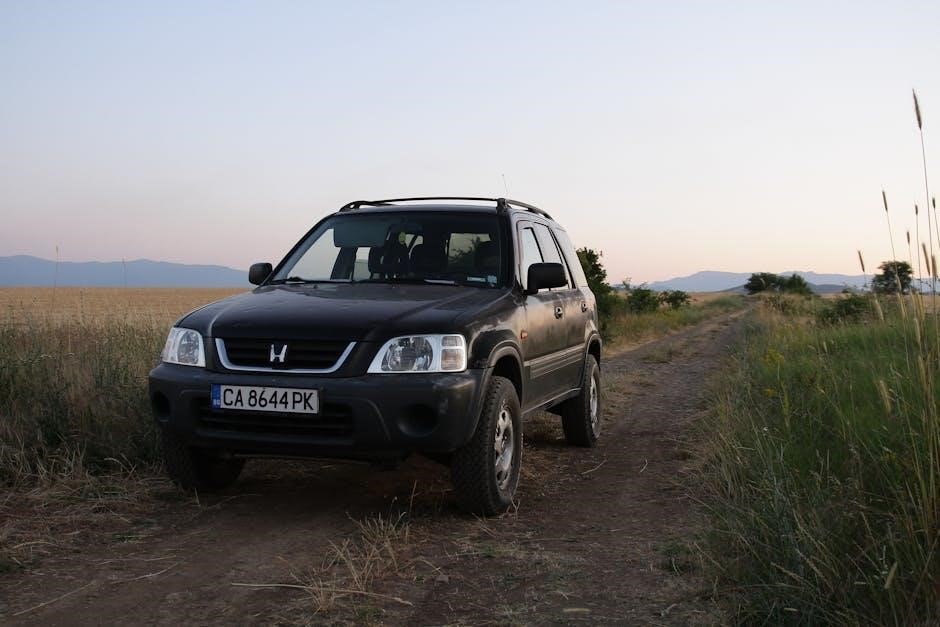
Understanding Your Pilot’s Trim Levels (LX, EX, EX-L, Touring, Elite)
The 2016 Honda Pilot offered a range of trims to suit diverse needs. The LX served as the base model, providing essential features. Stepping up to the EX added conveniences like a power sunroof and upgraded audio. The EX-L enhanced comfort with leather seats and heated front seats, available at dealerships like Superior Honda of Omaha.
The Touring trim introduced a navigation system and rear entertainment features, while the Elite represented the pinnacle of luxury, boasting premium audio and unique styling cues. ODaniel Honda and Honda of Lincoln showcase these variations. Each trim builds upon the previous one, offering increasing levels of sophistication and technology. Carefully consider your priorities when selecting the ideal Pilot trim!
Operating Your 2016 Honda Pilot
Master your Pilot’s features – from starting the engine to utilizing the climate control and multi-information display for a seamless driving experience.
Starting and Stopping the Engine
To start your 2016 Honda Pilot, ensure the gear selector is in Park (P) or Neutral (N) and firmly depress the brake pedal. Then, insert the key into the ignition or press the start/stop button (if equipped) while simultaneously pressing the brake. The engine will ignite, and the dashboard indicators will illuminate.
For stopping the engine, safely bring the vehicle to a complete halt. Shift the gear selector into Park (P) and engage the parking brake. Then, press the start/stop button again, or turn the key to the “LOCK” position. Always allow the engine to fully stop before exiting the vehicle. Remember to remove the key to prevent accidental operation.
Understanding the Dashboard Indicators and Warnings
Your 2016 Honda Pilot’s dashboard features a variety of indicators and warning lights crucial for safe operation. Familiarize yourself with these symbols! Green indicators generally signify normal operation – like headlights or cruise control. Yellow or orange lights often indicate a potential issue requiring attention, such as low fuel or a maintenance reminder.
Red warning lights signify a serious problem demanding immediate action. These could include low oil pressure, overheating, or brake system malfunction. Ignoring red warnings can lead to significant vehicle damage. The owner’s manual provides a comprehensive explanation of each indicator, detailing the necessary steps to take when a warning illuminates.
Regularly check your dashboard for any unusual activity and consult the manual for clarification.
Using the Multi-Information Display (MID)
The 2016 Honda Pilot’s Multi-Information Display (MID) provides vital vehicle information at a glance. Accessed via steering wheel controls, the MID cycles through displays showing average fuel economy, trip mileage, outside temperature, and more. You can customize the MID to prioritize the data most important to you, enhancing your driving experience.
Navigating the MID is intuitive; use the directional buttons to scroll through options and the ‘Select’ button to confirm. The MID also displays maintenance reminders and warning messages, supplementing the dashboard indicators. Refer to your owner’s manual for detailed instructions on customizing and utilizing all the MID’s features.
Effectively using the MID keeps you informed and connected to your Pilot’s performance.
Operating the Automatic Transmission
The 2016 Honda Pilot features a smooth and responsive automatic transmission designed for optimal performance and fuel efficiency. It operates primarily in Drive (D) for normal driving conditions. For enhanced engine braking or descending steep hills, utilize the lower gear selections (2 or L).
The Shift Lock mechanism requires the brake pedal to be depressed before shifting out of Park (P). A manual shift mode, if equipped, allows for driver-selected gear changes via paddle shifters or the gear selector. Avoid abrupt downshifts at high speeds to prevent transmission damage.
Regular maintenance, including fluid checks as outlined in the service schedule, is crucial for maintaining transmission health and longevity.
Controlling the Climate Control System
The 2016 Honda Pilot’s climate control system offers both automatic and manual modes for personalized comfort. Adjust temperature using the rotary dials, and fan speed with the designated controls. Select desired airflow distribution – face, feet, or defrost – using the mode buttons.

The Automatic mode maintains a set temperature, adjusting fan speed and airflow automatically. The A/C button activates the air conditioning for cooling, while the recirculation button closes off outside air intake. For quick defrosting, utilize the dedicated defrost setting.
Ensure proper system operation by regularly checking and replacing the cabin air filter, as detailed in the maintenance schedule.
Maintenance & Service
Regular maintenance, including oil changes, tire rotations, and fluid checks, ensures optimal performance and longevity for your 2016 Honda Pilot – visit a Nebraska dealer!
Recommended Maintenance Schedule
Maintaining your 2016 Honda Pilot’s reliability requires adhering to a strict maintenance schedule. Nebraska Honda dealerships, like Superior Honda of Omaha and ODaniel Honda, offer comprehensive service.
Every oil change (following the Maintenance Minder system) is crucial, typically between 7,500 and 10,000 miles, depending on driving conditions. Tire rotations every 5,000 miles promote even wear.
Inspect brake systems annually, and replace fluids – coolant, brake fluid, power steering, and windshield washer – as recommended.
Additionally, check belts, hoses, and filters regularly. Following this schedule, or consulting your owner’s manual, ensures peak performance and extends your Pilot’s lifespan. Billion Auto can assist!
Checking and Changing Engine Oil
Regular oil checks are vital for your 2016 Honda Pilot’s engine health. Locate the dipstick, wipe it clean, reinsert fully, and then check the oil level – it should be between the minimum and maximum marks.
For an oil change, Nebraska Honda service centers like Superior Honda of Omaha provide expert assistance. Typically, the 2016 Pilot requires around 4.2 quarts of 0W-20 oil.
Ensure the engine is warm, safely drain the old oil, replace the oil filter (using a genuine Honda filter is recommended), and refill with fresh oil.
Proper disposal of used oil is crucial; most auto parts stores accept it for recycling. ODaniel Honda can guide you through this process!
Tire Maintenance: Pressure, Rotation, and Replacement
Maintaining proper tire pressure is essential for your 2016 Honda Pilot’s safety and fuel efficiency. Check the sticker on the driver’s side doorjamb for the recommended PSI – typically around 32-35 PSI.
Regular tire rotation (every 5,000-7,500 miles) promotes even wear, extending tire life. Honda dealerships in Omaha, like Superior Honda, offer rotation services.
Inspect tires for tread depth and damage. Replace tires when the tread reaches 2/32 of an inch, or if you notice sidewall cracks or bulges.
ODaniel Honda can assist with selecting the correct replacement tires for your Pilot, ensuring optimal performance and safety on Nebraska roads.
Brake System Inspection and Maintenance
Your 2016 Honda Pilot’s brake system is crucial for safety; regular inspection is vital. Check brake pad thickness periodically – if they’re thin, replacement is needed. Listen for squealing or grinding noises, indicating wear.
Inspect brake lines and hoses for leaks or damage. Ensure the brake fluid level is adequate and the fluid is clean. Honda of Lincoln provides comprehensive brake service.
Superior Honda of Omaha recommends brake fluid flushes every 30,000 miles to maintain optimal performance. Ignoring brake maintenance can lead to reduced stopping power and costly repairs.
Billion Auto dealerships can help diagnose and address any brake system concerns, keeping your Pilot reliably safe on the road.
Fluid Level Checks (Coolant, Brake Fluid, Power Steering Fluid, Washer Fluid)
Regularly checking fluid levels in your 2016 Honda Pilot is essential for smooth operation. Locate the coolant reservoir and ensure the level is between the minimum and maximum marks – top up if needed.
Inspect brake fluid levels; low fluid may indicate a leak. Check power steering fluid, vital for easy steering. Don’t forget the windshield washer fluid for clear visibility!
ODaniel Honda emphasizes using Honda Genuine fluids for optimal performance. Superior Honda of Omaha offers fluid top-ups and inspections as part of their service.
Billion Auto dealerships can assist with identifying the correct fluids and ensuring proper levels, contributing to your Pilot’s longevity.

Safety Features & Systems
Explore the 2016 Pilot’s safety, including Honda Sensing, VSA, and airbags – features designed to protect you and your passengers on every journey.
Honda Sensing Suite (if equipped), Collision Mitigation, Lane Keeping Assist
If your 2016 Honda Pilot is equipped with Honda Sensing, you benefit from a suite of advanced safety and driver-assistive technologies. Collision Mitigation Braking System (CMBS) can help reduce the severity of a potential frontal collision by automatically applying the brakes. Lane Keeping Assist System (LKAS) assists the driver in staying within the detected lane by providing steering input.
Road Departure Mitigation System (RDMS) helps prevent unintentional lane departures. Adaptive Cruise Control (ACC) maintains a set following distance from the vehicle ahead. These systems are designed to assist the driver and should not be relied upon as a substitute for attentive driving. Familiarize yourself with the limitations and proper operation of each feature as detailed in your owner’s manual for optimal safety.
Vehicle Stability Assist (VSA) with Traction Control
Your 2016 Honda Pilot features Vehicle Stability Assist (VSA), a crucial system designed to enhance stability during critical driving situations. VSA utilizes sensors to detect when the vehicle is starting to lose control, such as during oversteering or understeering. It then selectively applies braking force to individual wheels to help steer the vehicle back on its intended path.
Integrated with VSA is Traction Control, which minimizes wheel spin during acceleration on slippery surfaces. This improves grip and helps maintain forward momentum. A VSA indicator light on the dashboard illuminates when the system is actively engaged. Remember, VSA is an assistive technology and doesn’t eliminate the need for cautious driving practices.
Airbag System Overview
The 2016 Honda Pilot is equipped with an advanced airbag system designed to provide occupant protection in the event of a collision. This system includes front airbags for both driver and passenger, side airbags mounted in the front seats, and side curtain airbags that deploy along the side windows.
The airbags are designed to work in conjunction with seatbelts, which are the primary safety restraint. A sensor system detects the severity of an impact and deploys the appropriate airbags. Important: Never place rear-facing child seats in the front passenger seat if the airbag cannot be deactivated. Regularly inspect the airbag system for any warning lights, indicating a potential issue requiring professional attention.
Child Safety Seat Installation
Ensuring proper child safety seat installation is crucial for your child’s safety in the 2016 Honda Pilot. The Pilot features LATCH (Lower Anchors and Tethers for CHildren) lower anchors and upper tether anchors in designated seating positions. Always refer to both the Pilot’s owner’s manual and the child safety seat’s instructions for correct installation procedures.
Never place a rear-facing infant seat in the front passenger seat when the front passenger airbag is active. The manual details specific LATCH locations and weight/height restrictions for each seating position. Secure the top tether anchor when using a forward-facing child seat. Regularly check the tightness of the installation to ensure it remains secure during travel.
Interior Features & Technology
Explore HondaLink, Bluetooth connectivity, audio controls, and available navigation systems within the 2016 Pilot, enhancing your driving experience with advanced technology.
HondaLink Connectivity System
HondaLink, available on select 2016 Pilot trims, provides seamless smartphone integration, offering access to various apps and features directly through your vehicle’s display screen. This system allows you to stay connected on the go, providing convenient access to audio streaming, roadside assistance, and vehicle information.
Through the HondaLink app on your smartphone, you can remotely start your vehicle (on equipped models), lock/unlock doors, and check vehicle status. The system is designed to enhance convenience and peace of mind. Dealerships like Superior Honda of Omaha and ODaniel Honda in Nebraska can provide detailed demonstrations of HondaLink’s capabilities and assist with setup. Ensure your smartphone is compatible and the app is properly configured for optimal performance.
Bluetooth Pairing and Operation
The 2016 Honda Pilot features Bluetooth connectivity for hands-free calling and wireless audio streaming. To pair a device, access the “Phone” menu on the Multi-Information Display (MID) and select “Add Device.” Ensure your smartphone’s Bluetooth is enabled and discoverable. Follow the on-screen prompts to complete the pairing process, entering a PIN if requested.
Once paired, you can make and receive calls using the steering wheel controls or the vehicle’s audio system. Audio streaming is accessible through the “Audio” menu. Dealerships such as Honda of Lincoln can assist with Bluetooth setup. Remember to consult your owner’s manual for specific instructions and troubleshooting tips, ensuring a safe and connected driving experience.
Audio System Controls and Features
The 2016 Honda Pilot’s audio system offers a range of features, controllable via the central touchscreen display and steering wheel-mounted controls. You can select audio sources like AM/FM radio, CD player, USB, and Bluetooth streaming. Volume, tuning, and track selection are easily managed. Higher trim levels, like the Elite, may include premium audio systems.
Superior Honda of Omaha and ODaniel Honda offer Pilots with varying audio configurations. Explore features like preset station memory and customizable sound settings. The system supports playback of various digital audio formats. Refer to your owner’s manual for detailed instructions on utilizing all available features and optimizing your listening experience while driving.
Navigation System (if equipped) — Map Updates
If your 2016 Honda Pilot is equipped with a navigation system, keeping the maps updated is crucial for accurate directions. Map data becomes outdated over time due to road changes and new construction. Updates can typically be purchased through Honda dealerships like Superior Honda of Omaha or ODaniel Honda.
These updates often come on a USB drive or SD card, which you then insert into the navigation system to install the latest map data. Regularly checking for updates ensures you have the most current information. Some systems may offer over-the-air updates, but this wasn’t standard in 2016. Consult your owner’s manual for specific instructions on updating the navigation system in your Pilot.
Power Seat Adjustments and Memory Settings
The 2016 Honda Pilot’s power seats offer a comfortable and customizable driving experience. Located on the side of the seat, controls allow adjustments for position, lumbar support, and recline. Higher trim levels, like the EX-L, Touring, and Elite, often include memory settings.
These memory settings allow multiple drivers to save their preferred seat positions, mirror angles, and potentially steering wheel position. To set a memory position, adjust the seat to your desired setting, then press and hold one of the numbered memory buttons until a confirmation tone sounds. Recalling a saved position is as simple as pressing the corresponding memory button. Dealerships like Superior Honda can demonstrate these features.

Troubleshooting Common Issues
Resolve typical 2016 Pilot problems – jump starts, flat tires, starting failures, warning lights, and fuse replacements – for a smoother driving experience.
Jump Starting Procedures
If your 2016 Honda Pilot’s battery is depleted, a jump start can get you moving. First, ensure both vehicles are turned off. Connect the red (+) cable to the positive terminal of the discharged battery, then to the positive terminal of the good battery. Next, connect the black (-) cable to the negative terminal of the good battery, and finally, to a grounded metal surface on your Pilot – not the negative battery terminal.
Start the good vehicle and let it run for a few minutes. Then, attempt to start your Pilot. If it starts, let both vehicles run connected for several minutes before disconnecting the cables in the reverse order of connection. Consult your owner’s manual for specific grounding points and safety precautions. Nebraska Honda dealerships can also assist!
Dealing with a Flat Tire
Should you experience a flat tire on your 2016 Honda Pilot, safety is paramount. Pull over to a safe, level location away from traffic. Activate your hazard lights. Locate your spare tire, jack, and lug wrench – typically found in the rear cargo area. Consult your owner’s manual for the precise jacking points on your Pilot’s frame.
Loosen the lug nuts before jacking up the vehicle. Raise the Pilot until the flat tire is off the ground, remove the lug nuts completely, and carefully remove the flat tire. Mount the spare, tighten the lug nuts by hand, lower the vehicle, and fully tighten the lug nuts in a star pattern. Nebraska Honda service departments offer tire repair and replacement!
What to Do If Your Pilot Won’t Start
If your 2016 Honda Pilot fails to start, first check the obvious: ensure you have fuel and the battery isn’t depleted. Listen for a clicking sound, which indicates a weak battery. Attempt a jump start using jumper cables and another vehicle – refer to the ‘Jump Starting Procedures’ section for detailed instructions.
If no sound occurs, the starter motor or ignition switch may be faulty. Check the fuses related to the starting system; a blown fuse could be the culprit. Honda dealerships in Omaha, like Superior Honda and ODaniel Honda, offer diagnostic services to pinpoint the issue. Don’t repeatedly crank the engine, as this can damage the starter.
Understanding Common Warning Lights
Several warning lights on your 2016 Honda Pilot’s dashboard require immediate attention. The ‘Check Engine’ light indicates a potential engine issue – schedule a service appointment at dealerships like Superior Honda of Omaha or Honda of Lincoln. A flashing ‘Oil’ light signals critically low oil pressure; stop driving immediately to prevent engine damage.
The ‘Battery’ light suggests a charging system problem, while the ‘Brake’ light could mean the parking brake is engaged or there’s a brake system malfunction. The ‘VSA’ light indicates the Vehicle Stability Assist system is active or experiencing an issue. Refer to your owner’s manual for a complete list and detailed explanations of each warning light.
Locating and Replacing Fuses
Protecting your 2016 Honda Pilot’s electrical system, fuses prevent damage from power surges. Fuse box locations are detailed in your owner’s manual – typically found under the dashboard and within the engine compartment. Before replacing a fuse, identify the circuit it protects using the fuse box diagram.
Always use a fuse of the exact amperage rating; using a higher rating can cause serious damage. Use fuse pullers (often included in the fuse box) to safely remove and install fuses. If a fuse repeatedly blows, it indicates a larger electrical problem requiring diagnosis by a qualified technician at dealerships like ODaniel Honda or Billion Auto.