
Teaching Feelings: A Comprehensive Guide (Updated 12/03/2025)
Today’s date is 12/03/2025 18:33:03. This guide empowers educators and parents to foster emotional literacy, building strong relationships and overall wellbeing.
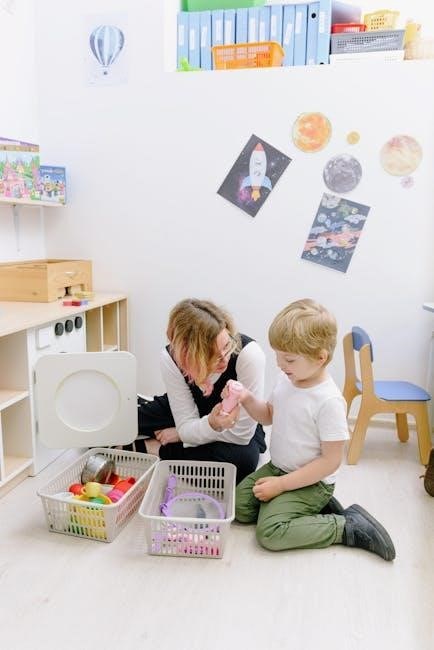
Understanding the Importance of Emotional Literacy
Emotional literacy is crucial for social-emotional development and building strong interpersonal connections. Recognizing and understanding feelings – both in oneself and others – is fundamental to navigating life’s challenges effectively. It allows individuals to communicate needs clearly, fostering empathy and reducing conflict.
Teaching children to identify and name their emotions empowers them with self-awareness and self-regulation skills. Openly expressing feelings leads to improved emotional health and strengthens relationships. It’s about acknowledging that feelings are natural, powerful, and a vital part of the human experience at any age.
The Role of Modeling in Emotional Development
Modeling healthy emotional expression is paramount in a child’s development. Children learn by observing the adults around them; therefore, demonstrating how to navigate feelings constructively is incredibly impactful. Don’t be afraid to verbalize your own emotional experiences – for example, saying “Wow, I am frustrated, and I need to calm down.”
This provides a powerful example of self-awareness and regulation. Parents and educators who openly acknowledge and manage their emotions teach children that feelings are acceptable and can be processed in healthy ways.
Identifying and Naming Feelings
A foundational step in emotional literacy is helping children identify and name their feelings. This process moves beyond simply recognizing emotions in others to understanding their own internal experiences. Feeling words are crucial concepts for social-emotional development and building strong relationships.
Incorporating new vocabulary into communication lessons, both in groups and individually, expands a child’s emotional lexicon. This ability to articulate feelings is vital for effective communication and self-regulation.
Expanding Feeling Vocabulary
Moving beyond basic emotion words like “happy” and “sad” is essential for nuanced emotional understanding. Introduce a wider range of feeling words – frustrated, anxious, overwhelmed, relieved, and content – to help children pinpoint their experiences more accurately.
This expanded vocabulary isn’t just about labeling; it’s about fostering self-awareness and the ability to communicate internal states effectively. Integrate these words into daily conversations and activities, encouraging their use.
Using Visual Aids for Emotion Recognition
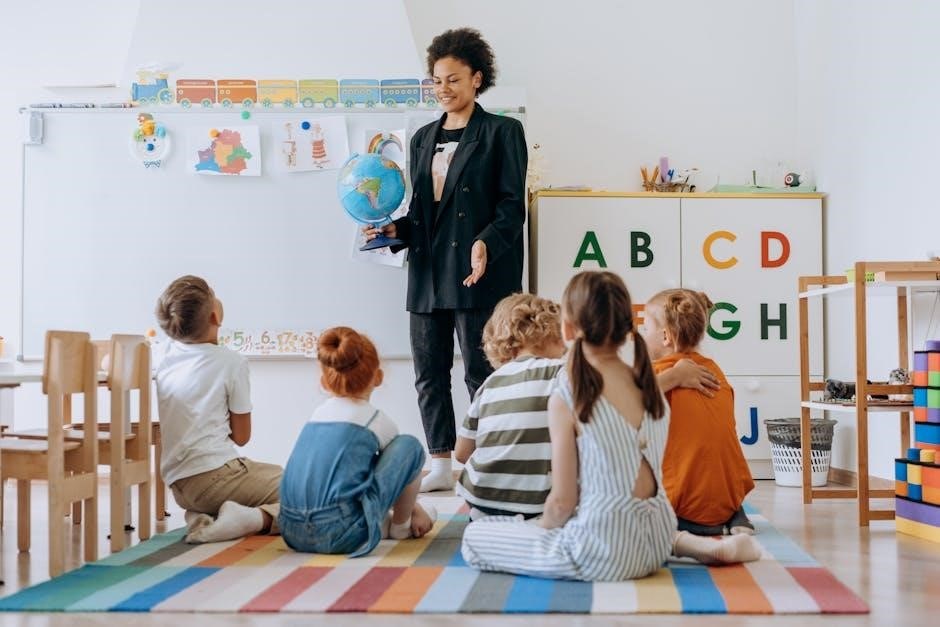
Emotion flashcards, charts displaying facial expressions, and even pictures from books or magazines can significantly aid emotion recognition. These visuals provide concrete representations of feelings, especially helpful for younger children or those with difficulty verbalizing their emotions.
Utilize these aids during discussions, asking children to identify the feeling depicted and relate it to personal experiences. Consistent exposure strengthens their ability to recognize emotions in themselves and others.
Creating a Safe and Comfortable Learning Environment
Establishing psychological safety is paramount for exploring feelings; A comfortable space, incorporating pillows, soft rugs, bean bag chairs, or a small tent, encourages openness and vulnerability.
Predictable routines and clear expectations minimize anxiety, allowing children to focus on emotional learning. This environment fosters trust, enabling students to express themselves without fear of judgment, knowing their feelings are validated and respected.
Incorporating Calming Elements into the Space
Transform your learning area into a sanctuary for emotional regulation. Include visual reminders of calm-down strategies and breathing techniques readily accessible to students.
Strategically place items like soft lighting, calming colors, and comfortable textures – pillows, blankets, and rugs – to create a soothing atmosphere. These elements signal safety and encourage self-soothing behaviors, providing a physical space that supports emotional wellbeing and mindful practices.
Establishing Predictable Routines and Expectations
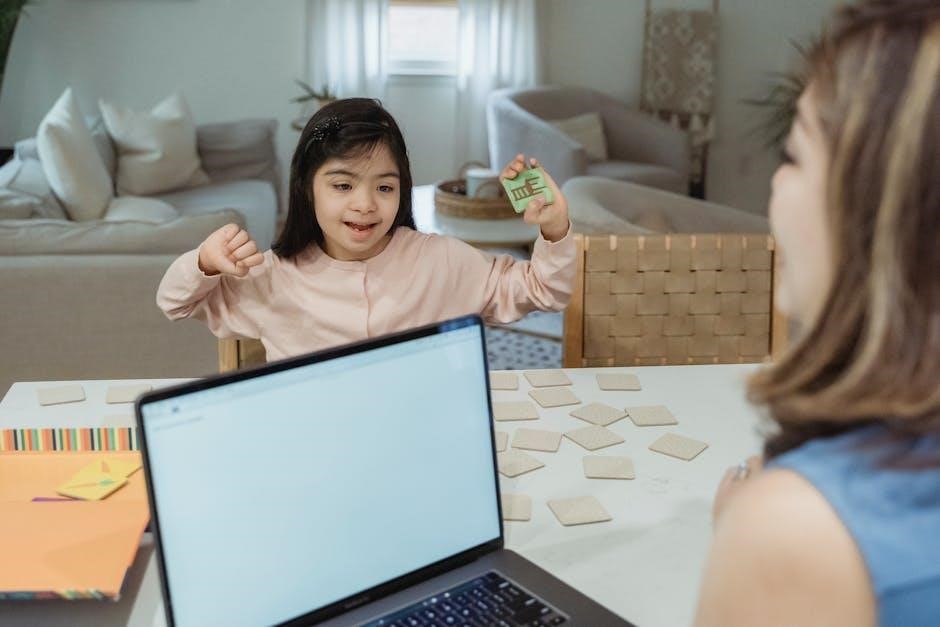
A structured environment fosters psychological safety, crucial for emotional learning. Implement consistent daily routines and clearly defined expectations for behavior.
Predictability reduces anxiety and allows students to focus on understanding and managing their feelings. When children know what to expect, they feel more secure and are better equipped to navigate emotional challenges. This creates a classroom where open communication and emotional expression are encouraged and supported.

Techniques for Emotional Regulation
Equipping individuals with strategies to manage intense emotions is paramount. Deep breathing exercises offer a simple yet powerful tool for self-soothing and calming the nervous system.

Journaling provides a safe outlet for emotional expression, allowing for reflection and processing of feelings. Modeling these techniques – demonstrating how you calm down – is incredibly impactful. Remember, feelings are natural and powerful; teaching healthy coping mechanisms builds resilience and emotional wellbeing.
Deep Breathing Exercises
Deep breathing is a foundational emotional regulation skill. Encourage slow, deliberate breaths – inhaling deeply and exhaling slowly – to activate the parasympathetic nervous system, promoting calmness.
Model this yourself! Saying, “Wow, I’m frustrated. I’m going to take some deep breaths to calm down,” demonstrates the technique effectively. Practice different breathing patterns, like box breathing, and emphasize paying attention to the body’s sensations during the exercise. This builds self-awareness and control.
Journaling for Emotional Expression
Journaling provides a safe, private outlet for exploring and processing feelings. Encourage regular writing, even just a few sentences, about what’s happening and how it feels.
Promote free-writing – simply writing whatever comes to mind without worrying about grammar or structure. This can unlock deeper emotional understanding. Journaling isn’t just about recounting events; it’s about connecting with the associated emotions. It’s a powerful technique for self-soothing and building emotional resilience.
Facilitating Open Communication About Feelings
Creating a space where feelings are openly discussed is crucial for emotional development. Encourage children to share their experiences without judgment, validating their emotions as natural and important.
Discussing feelings during everyday activities – while reading, playing, or even during transitions – normalizes emotional expression. Emphasize that all feelings are okay, even the uncomfortable ones. Encourage expression with trusted individuals, fostering a support network. Open communication strengthens interpersonal connections and improves overall emotional wellbeing.
Discussing Feelings During Everyday Activities
Integrate emotional check-ins into daily routines to normalize conversations about feelings. Use mealtimes, car rides, or playtime as opportunities to ask, “How are you feeling right now?” and genuinely listen to the response.
Relate feelings to characters in stories or situations encountered throughout the day, prompting children to identify and articulate emotions. This gives your child a way to learn whenever it feels right, realizing feelings are always happening.
Encouraging Expression with Trusted Individuals
Facilitate open communication by helping children identify safe people they can confide in—parents, teachers, or other supportive adults. Emphasize that sharing feelings is a sign of strength, not weakness, and that trusted individuals are there to listen without judgment.
Techniques such as journaling, talking with trusted individuals, or creative outlets can effectively facilitate emotional expression. Encourage children to verbalize their emotions, offering reassurance and validating their experiences.
Resources for Teaching Emotions
Numerous resources are available to support emotional literacy development. The Do2Learn website stands out, offering a wealth of interactive activities and printable materials tailored for diverse ability levels, making learning accessible and engaging.
These tools can incorporate new vocabulary, pragmatics, and literacy into communication lessons. Utilizing these resources empowers educators and parents to effectively teach emotion recognition, regulation, and expression, fostering crucial social-emotional growth.
Do2Learn Website and Interactive Activities
Do2Learn is an exceptional online resource for teaching emotions, providing a comprehensive collection of interactive activities designed to enhance understanding and recognition of feelings.
The website features materials adaptable for various ability levels, ensuring inclusivity and personalized learning experiences. From games to visual supports, Do2Learn offers practical tools to facilitate emotional development. It’s a valuable asset for educators, therapists, and parents seeking engaging ways to support emotional literacy.
Printable Materials for Various Ability Levels
Complementing the Do2Learn website, a wealth of printable materials are available to support diverse learning needs and preferences; These resources include emotion flashcards, feelings charts, and worksheets designed to reinforce emotional vocabulary and recognition skills.
Materials are thoughtfully categorized by complexity, catering to individuals with varying cognitive and developmental levels. This ensures accessibility and promotes successful engagement with emotional learning concepts, fostering a supportive and inclusive environment.
Calming Strategies and Relaxation Techniques
Equipping individuals with self-soothing tools is paramount for emotional regulation. Visual reminders showcasing calm-down methods, like deep breathing exercises, provide accessible support during moments of distress. Breathing strategies, specifically, offer a portable and discreet technique for managing overwhelming emotions.
These techniques encourage mindful awareness of bodily sensations, facilitating a gradual release of intense feelings. Consistent practice builds resilience and empowers individuals to navigate challenging situations with greater composure and self-control.
Visual Reminders of Calm-Down Methods
Creating a visually supportive environment is crucial for reinforcing calming techniques. Displaying charts or posters illustrating deep breathing steps, progressive muscle relaxation, or simple grounding exercises offers readily available guidance. These visual cues serve as prompts, especially for younger learners or those struggling to verbalize their needs.
Include images depicting peaceful scenes or positive affirmations to further enhance the calming effect. Strategically placed visuals throughout the learning space promote a sense of safety and encourage proactive self-regulation.

Breathing Strategies for Self-Soothing
Deep breathing exercises are powerful tools for emotional regulation, helping individuals to physically calm down when overwhelmed. Teach techniques like belly breathing – encouraging slow, deep inhales that expand the abdomen – and mindful breathing, focusing on the sensation of each breath.
Model these strategies yourself, verbalizing your own calming process. Consistent practice builds self-awareness and empowers individuals to utilize breathing as a readily accessible self-soothing mechanism.
Conflict Resolution and Peer Interactions
Effective conflict resolution skills are vital for healthy peer interactions and emotional growth. Teach students clear protocols for addressing disagreements, emphasizing respectful communication and active listening. Promote empathy by encouraging children to consider perspectives beyond their own.
Understanding feelings is crucial; help them articulate how conflicts impact emotions. This fosters understanding and lays the groundwork for collaborative problem-solving and stronger relationships.
Teaching Conflict Resolution Protocols
Establish a structured approach to conflict, beginning with identifying the problem and each person’s feelings. Encourage students to express themselves using “I” statements, focusing on their own experiences rather than blaming others.
Next, brainstorm possible solutions collaboratively. Guide them to evaluate each option and choose a fair compromise. Role-playing scenarios helps practice these skills, building confidence and promoting peaceful peer interactions.
Promoting Empathy and Understanding
Cultivate empathy by encouraging students to consider perspectives beyond their own. Ask questions like, “How might they be feeling?” or “What could have led to this behavior?” Discussing characters’ emotions in stories is a great starting point.
Help children recognize that everyone experiences feelings differently, and validate those feelings without necessarily agreeing with the actions. This fosters compassion and strengthens interpersonal connections, building a supportive classroom environment.
The Connection Between Emotional Health and Relationships

Emotional health profoundly impacts our ability to form and maintain healthy relationships. Expressing feelings openly leads to improved emotional wellbeing and strengthens interpersonal connections, fostering trust and intimacy.
When individuals understand and manage their emotions, they communicate more effectively and navigate conflicts constructively. This creates a foundation for supportive, fulfilling relationships built on mutual respect and understanding, benefiting all involved.
Strengthening Interpersonal Connections
Cultivating emotional literacy directly strengthens interpersonal connections. When individuals can accurately identify and communicate their feelings, it fosters deeper empathy and understanding within relationships.
Openly discussing emotions during everyday activities provides opportunities for connection and learning. This practice helps build trust and encourages vulnerability, essential components of strong, healthy bonds. Prioritizing emotional expression creates a supportive environment where relationships can flourish and thrive.
Improving Overall Emotional Wellbeing
Prioritizing emotional health significantly improves overall wellbeing. Techniques like journaling and engaging in creative outlets offer effective avenues for emotional expression and processing, reducing stress and promoting self-awareness.
Learning to regulate emotions through deep breathing and relaxation strategies fosters resilience and inner peace. Expressing feelings openly with trusted individuals builds support systems and reduces feelings of isolation. Acknowledging and validating emotions is crucial for sustained emotional health.
Creative Outlets for Emotional Expression
Harnessing creativity provides powerful channels for emotional release and processing. Art therapy allows individuals to externalize feelings through visual mediums, fostering self-discovery and emotional understanding.
Music, with its diverse rhythms and melodies, offers another avenue for emotional exploration and regulation. Engaging in creative activities can reduce stress, enhance self-esteem, and promote a sense of wellbeing. These outlets provide non-verbal ways to communicate and cope with complex emotions, fostering emotional intelligence.
Art Therapy and Emotional Release
Art therapy offers a safe and non-judgmental space for exploring difficult emotions. Through painting, drawing, sculpting, or collage, individuals can externalize internal experiences that may be hard to verbalize.
This process facilitates self-awareness and emotional regulation. The act of creation itself can be therapeutic, reducing stress and anxiety. Art becomes a powerful tool for processing trauma, grief, or other challenging feelings, promoting healing and emotional wellbeing. It’s a valuable outlet for all ages.
Music and Emotional Processing
Music profoundly impacts our emotions, offering a unique pathway for processing feelings. Listening to music can evoke memories, trigger emotional responses, and provide comfort during challenging times. Actively creating music – singing, playing an instrument, or songwriting – allows for even deeper emotional expression.
This creative outlet can be particularly beneficial for individuals struggling to articulate their feelings verbally. Music therapy utilizes these principles to promote emotional wellbeing and self-discovery, fostering a sense of connection and release.
Psychological Safety in the Classroom
Establishing psychological safety is paramount for effective emotional learning; Students must feel secure enough to express vulnerability without fear of judgment or ridicule. This involves creating predictable routines and clear expectations, fostering a sense of trust and belonging within the learning environment.
A comfortable physical space – incorporating pillows, rugs, and cozy elements – further contributes to this safety. When students feel safe, they are more receptive to exploring and understanding their emotions.
Integrating Feeling Words into Communication Lessons
Feeling words are crucial for social-emotional development and building strong relationships. Incorporate new vocabulary and pragmatic language skills into both group and individual communication lessons. This expands a child’s ability to articulate their internal experiences effectively.
Utilizing feeling words enhances literacy skills while simultaneously fostering emotional intelligence. Discussing feelings during everyday activities provides organic learning opportunities, normalizing emotional expression and promoting self-awareness.
The Power of Positive Emotional Expression
Expressing feelings openly leads to improved emotional health and strengthens interpersonal connections. Modeling healthy emotional expression – like acknowledging frustration and utilizing calming techniques – demonstrates that feelings are natural and valid.
Parents and educators can teach children that emotions are a powerful, integral part of the human experience at any age. Encourage children to verbalize both positive and challenging emotions, fostering self-awareness and resilience.
Long-Term Benefits of Emotional Literacy
Emotional literacy is crucial for social-emotional development and building strong, healthy relationships. Teaching children to identify and name their feelings, alongside practicing calming strategies, equips them with lifelong skills.
These skills foster improved overall emotional wellbeing, enabling individuals to navigate challenges with greater resilience and empathy. Integrating feeling words into communication lessons enhances vocabulary and pragmatic language skills.
Adapting Techniques for Different Age Groups
Emotional teaching must be tailored to developmental stages. Younger children benefit from visual aids and simple feeling words, while older students can explore complex emotions through journaling and discussions.
Conflict resolution protocols should be adjusted for age-appropriateness, promoting empathy and understanding at every level. Remember modeling healthy emotional expression is powerful at any age! Utilize resources like Do2Learn, offering varied materials for diverse ability levels, ensuring inclusivity.